
You just landed in paradise, but after a morning hike on the Makapuu Lighthouse trail, your thighs feel like they are on fire. The humidity, the saltwater, and the relentless sun create a perfect storm for skin irritation. If you are spending any time outdoors in the islands, learning how to prevent chafing Hawaii style is non-negotiable. You need a strategy that works against tropical sweat, ocean sand, and trade winds, not just a basic lotion that washes off in five minutes.
What Makes Hawaii Heat Different for Skin Irritation?
Hawaii is not your average hot climate. The combination of high humidity, constant trade winds, and frequent exposure to saltwater creates a unique friction environment. Your skin stays damp longer, salt crystals from dried ocean water act like micro-abrasives, and the sun depletes your skin’s natural moisture barrier, making you far more prone to painful chafing than in a dry desert heat.
The Science of Tropical Friction
When humidity rises above 70%, which is standard in Hawaii, sweat does not evaporate efficiently. This moisture softens the outer layer of your skin while salt from sweat and ocean water recrystallizes, creating rough, abrasive particles. Your thighs, underarms, and swimsuit lines become prime zones for raw, inflamed skin.
Why Dry Climates Feel Easier
In a dry heat like Arizona, sweat evaporates almost instantly. Your skin dries out, but friction remains low. In Hawaii, your skin stays wet for hours after a swim or a hike. This prolonged moisture weakens the epidermis, making a simple two-mile walk feel like sandpapering your inner thighs.
The Hidden Danger of Sand
Sand acts as an additional abrasive. After a day at Kailua Beach, microscopic sand particles cling to your skin and clothing. When you walk back to the car, every step grinds those particles into your skin folds. This is why beach days often result in the worst chafing, even if you did not hike anywhere.
Why Standard Body Lotions Fail in Tropical Humidity
Regular body lotions are water-based. They absorb quickly into the skin, which feels nice indoors but offers zero protection once you start sweating. In Hawaii, your pores open in the heat, sweat mixes with the lotion, and the protective layer washes away within minutes. You end up with wet, slippery skin that rubs even more aggressively.
The Difference Between Lotion and Anti-Chafe Balm
Anti-chafe balms are oil-based or wax-based. They sit on top of the skin rather than absorbing into it. This creates a physical barrier that sweat and saltwater cannot penetrate. Think of it like a waterproof seal for your skin folds. Lotions hydrate; balms protect.
What Happens When You Use Sunscreen as a Lubricant
Many visitors make the mistake of using extra sunscreen on their inner thighs to reduce friction. Sunscreen is not designed for friction reduction. It wears off after two hours, breaks down with sweat, and can actually increase tackiness when mixed with sand. You end up with sun protection that fails and chafing that hurts.
How to Prevent Chafing Hawaii Style: A Step-by-Step Routine

You need a deliberate, repeatable routine that accounts for the specific challenges of the islands. This is not one-and-done prevention. You apply before activity, reapply after swimming, and perform a recovery routine at night to keep your skin resilient.
Step One: Pre-Activity Skin Preparation
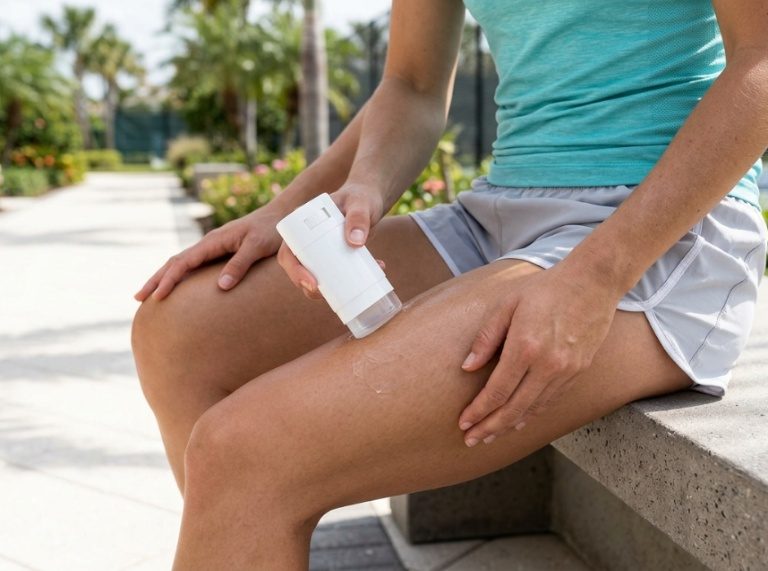
Start with clean, completely dry skin. After showering, pat dry thoroughly, especially in skin folds. Wait two minutes for any remaining moisture to evaporate. Apply a balm designed for high-friction areas. Focus on inner thighs, underarms, bikini line, and the back of your knees. Do not rub the balm in fully; leave a visible, thin layer on the surface.
Step Two: Strategic Clothing Choices
Tight, compressive clothing actually reduces chafing better than loose clothing. Loose shorts allow fabric to bunch up and rub against your skin repeatedly. Look for moisture-wicking fabrics like nylon or polyester blends. Avoid cotton at all costs. Cotton absorbs sweat, holds it against your skin, and becomes heavy, abrasive fabric as it dries.
Step Three: Reapplication After Every Ocean Dip
Saltwater and chlorinated pool water will break down most balms. After exiting the ocean, rinse off with fresh water if possible, pat dry, and reapply your balm. Do not skip this step. The combination of salt crystals and a partially worn-off balm is a recipe for instant chafing.
Which Anti-Chafe Products Actually Work in Hawaii?
Not all anti-chafe products are created equal. In tropical heat, you need a product that is waterproof, long-lasting, and non-greasy enough that you do not feel like you are wearing a layer of grease. You want something that stays put through a surf session, a hike, and a afternoon nap on the beach.
Balm vs. Stick vs. Powder
| Product Type | Best For | Hawaii Suitability |
|---|---|---|
| Solid stick balm | Thighs, underarms, swimsuit lines | Excellent, waterproof, easy to reapply |
| Body Glide or similar | Long-distance hiking, running | Good, but reapply after 4 hours |
| Anti-chafe powder | Feet, bra lines, back of knees | Fair, washes off with heavy sweat |
| Oil-based balm (tub) | Full body, severe chafing | Excellent, but messy to apply |
For most activities in Hawaii, a solid stick balm offers the best balance of convenience and durability. It fits in a beach bag, applies without getting your hands greasy, and holds up through multiple ocean entries.
What to Look for on the Ingredient Label
Avoid products with high water content or alcohol. Alcohol stings on already irritated skin and dries out your natural moisture barrier. Look for ingredients like shea butter, coconut oil, beeswax, or dimethicone. These ingredients create a physical, hydrophobic barrier that saltwater beads up on rather than soaking through.
How to Recover Skin After Chafing in Tropical Heat
If you already have chafed skin, do not apply a standard balm. That will trap bacteria and heat, making inflammation worse. You need to cool the skin first, then apply a healing ointment that is not occlusive in a way that suffocates the skin. The recovery process is as important as prevention for your next day of activity.
The Immediate Cool-Down Protocol
Get out of the sun immediately. Rinse the chafed area with fresh, cool water to remove salt and sand. Do not use soap directly on raw skin. Pat dry very gently using a clean, soft towel. Do not rub. Apply a cold compress wrapped in a thin cloth for five minutes to reduce inflammation.
Healing Ointments vs. Regular Lotion
Use a product with zinc oxide or petroleum jelly for recovery. Zinc oxide acts as a mild astringent and creates a protective barrier that allows skin to heal underneath. Avoid scented lotions, which contain alcohols and fragrances that sting and prolong healing. A plain diaper rash cream works surprisingly well for severe chafing because it is designed for moisture protection in hot, humid conditions.
When to Take a Rest Day
If the skin is broken, oozing, or extremely painful, you need a full day of rest. No hikes, no beach, no activities that cause friction. Wear loose, breathable cotton shorts with no underwear to allow air circulation. Putting on a restrictive swimsuit over broken skin will delay healing by days and increase risk of infection.
Can You Prevent Chafing While Surfing in Hawaii?
Surfing presents a unique challenge because you are constantly moving on a waxed board, paddling with your chest and thighs, and being tossed by waves. Even experienced surfers get chafing from the board wax and the saltwater. Prevention requires a specific approach for surfers that is different from hiking or running prevention.
Protecting Your Chest and Ribs
Apply a thick layer of balm across your entire rib cage and sternum before paddling out. The repetitive motion of paddling creates friction between your chest and the waxed deck of the surfboard. A standard rash guard helps but does not eliminate friction. Combining a rash guard with a high-quality balm is the only reliable method.
Protecting Your Inner Thighs on the Board
When you pop up, your thighs slide against the board. This motion, over a two-hour session, can create raw skin on the inside of your thighs. Apply balm generously there, too. Reapply when you paddle back out after catching a wave. Surfing is intense enough that you will need a touch-up halfway through your session.
For a list of products proven to hold up in these exact conditions, check out our guide on how to prevent chafing Hawaii with surf-tested balms that resist saltwater and board wax.
What Time of Day Is Worst for Chafing in Hawaii?
The worst time for chafing is between 10:00 a.m. and 2:00 p.m., when the sun is highest and humidity peaks. During these hours, you sweat more profusely, your skin is exposed to UV damage that weakens the skin barrier, and any existing friction points become aggravated. Plan your high-exertion activities for early morning or late afternoon.
Why Morning Hikes Are Safer
Temperatures at 6:00 a.m. on Oahu are often 10 to 15 degrees cooler than at noon. Humidity is lower, and your body has not yet dehydrated. Starting a hike before 8:00 a.m. gives you a natural advantage against chafing because you sweat less and the balm lasts longer before breaking down.
The Danger of Midday Beach Sessions
Midday sun combined with saltwater creates the highest chafing risk. Your skin is wet, hot, and covered in micro-abrasives from dried salt. If you must be on the beach at noon, reapply your balm every hour and rinse off between swims to remove salt buildup.
How to Prevent Chafing Under a Hiking Backpack in Humidity
Backpack straps create an additional friction point across your shoulders and collarbone. In Hawaii’s humid heat, backpack straps soak through with sweat, become heavier, and rub against damp skin. The pressure of the pack amplifies the friction, often leaving red, painful marks that take days to heal.
The Shoulder Strap Protection Method
Apply balm directly along your collarbone and the top curve of your shoulders before putting on your pack. Also apply a thin layer to the underside of the backpack straps themselves if they are fabric. This creates a double barrier. Tighten your hip belt to transfer 80 percent of the pack weight to your hips, not your shoulders.
How to Ventilate Your Back
A sweaty back inside a backpack is a breeding ground for chafing. Use a pack with a mesh back panel that creates air channels. If you do not have one, place a folded bandana between your back and the pack at the lower lumbar area to absorb sweat and create a dry barrier.
What Is the Best Fabric for Chafe Prevention in Hawaii?
Fabric choice is your first line of defense. The wrong fabric causes chafing even if you use a balm. The right fabric combined with a balm makes chafing almost impossible. You need to think in terms of moisture management and seam placement, not just comfort.
Nylon and Spandex Blends
These fabrics are moisture-wicking, lightweight, and stretchy. They do not absorb sweat and hold it against your skin. Instead, they push moisture to the outer surface where it can evaporate. This keeps your skin drier longer and reduces the damp friction that causes chafing. Look for 4-way stretch material for maximum comfort.
The Seam Placement Trap
Flat seams are essential. Regular raised seams, especially on the inner thigh of shorts or the underarm of a shirt, act like saws against your skin during movement. Turn clothing inside out before buying to inspect the seams. If you feel a raised ridge, that garment will cause chafing regardless of how much balm you use.
Why Cotton Is the Enemy
Cotton absorbs sweat like a sponge. As you move, the wet cotton rubs against your skin, creating friction that balms cannot fully counteract. In Hawaii, cotton clothing will be soaked within 30 minutes of stepping outside. Avoid it entirely for any activity involving movement.
Frequently Asked Questions
Can I use coconut oil to prevent chafing in Hawaii?
Coconut oil works as a temporary lubricant, but it breaks down quickly in heat and saltwater. It also stains clothing and washes off after one swim. It is better than nothing but significantly less effective than a dedicated anti-chafe balm.
How often should I reapply anti-chafe balm in Hawaii?
Reapply every two hours during continuous activity. After swimming, reapply immediately. If you are hiking in high humidity, reapply every 90 minutes. Do not wait until you feel burning; by then, the damage is already done.
Does baby powder work for chafing in humid climates?
Baby powder absorbs moisture initially but forms a pasty, abrasive layer when mixed with sweat and saltwater. It can actually worsen chafing after 30 minutes. Stick with wax-based or oil-based balms for reliable protection.
Can I use deodorant on my thighs to stop chafing?
Solid deodorant sticks contain similar ingredients to anti-chafe balms and can work in an emergency. However, deodorant is not designed for large surface areas and may irritate sensitive skin on the inner thighs. Use it only as a last resort.
Is it better to wear shorts or pants to prevent chafing?
Compressive shorts worn under loose shorts or pants offer the best protection. The tight layer prevents skin-on-skin friction, while the outer layer prevents fabric-on-skin friction. Tight bike shorts alone work well for hiking and running.
What should I do if the chafing gets infected?
Signs of infection include increasing redness, warmth, pus, or swelling. If you see these signs, stop all activities and see a doctor immediately. Hawaii’s warm climate accelerates bacterial growth, so treat wounds seriously. Apply an antibiotic ointment like bacitracin.
Does sunscreen prevent chafing?
Sunscreen does not prevent chafing. It protects against UV rays but provides minimal lubrication that wears off quickly with sweat. You must use a dedicated anti-chafe product in addition to sunscreen, not as a replacement.
Your Hawaii Chafing Prevention Action Plan
Start every day with clean, dry skin. Apply a waterproof balm to all friction points before you step outside. Choose moisture-wicking clothing with flat seams. Reapply after every swim and every two hours of activity. End each day with a cool rinse and a healing ointment if needed. This routine keeps your skin intact so you can focus on enjoying the islands without pain.



+ There are no comments
Add yours