



Clean air is a cornerstone of a healthy home. In 2026, improving your living environment doesn’t require expensive gadgets or major renovations. Simple, cost-effective strategies can significantly enhance your indoor air quality and promote well-being for you and your family.
Research shows that indoor air can be two to five times more polluted than outdoor air. This alarming fact underscores the importance of addressing indoor air quality. Additionally, health experts agree that small changes can make a big difference in reducing pollutants. Furthermore, an affordable air purifier can be a practical starting point for cleaner air.
Therefore, taking proactive steps can transform your home into a healthier, more comfortable space.
Why Indoor Air Quality Matters
Many people underestimate the impact of poor indoor air on their health. However, common pollutants like dust, pet dander, mold spores, and volatile organic compounds (VOCs) can trigger allergies, asthma, and other respiratory issues. Improving indoor air quality can alleviate these problems and enhance your overall well-being.
Moreover, data from the Environmental Protection Agency (EPA) reveals that Americans spend approximately 90% of their time indoors. This statistic highlights the need to ensure the air in your home is as clean as possible. A few strategic changes can reduce exposure to harmful particles and improve your quality of life.
Additionally, poor air quality can affect your sleep, concentration, and energy levels. By addressing pollutants, you can create a more restful and productive environment. An affordable air purifier is one way to start, but there are many other budget-friendly solutions.
Key Strategies to Improve Indoor Air Quality
When tackling indoor air quality, focus on these essential strategies:
- Ventilation: Open windows regularly to allow fresh air to circulate and remove stale indoor air. This simple step can significantly reduce pollutants.
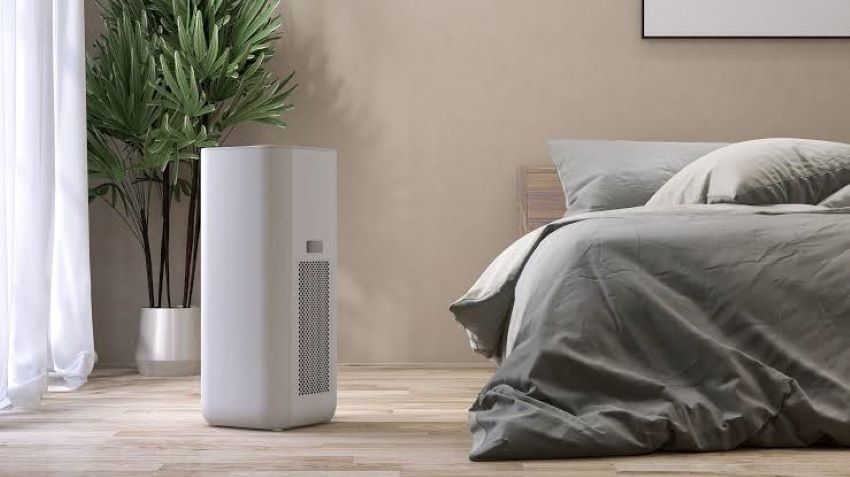
- Air Purifiers: Use an affordable air purifier with HEPA filtration to capture dust, pollen, and other small particles. This is especially effective for allergens.
- Houseplants: Incorporate air-purifying plants like snake plants, spider plants, or peace lilies. They naturally filter common pollutants and add a touch of greenery to your space.
- Clean Regularly: Dust and vacuum frequently to reduce the buildup of particles on surfaces and floors. Use a vacuum with a HEPA filter for best results.
- Control Humidity: Maintain humidity levels between 30-50% to prevent mold and dust mite growth. A dehumidifier or humidifier can help achieve this balance.
Step-by-Step Guide to Better Indoor Air Quality
Step 1: Increase Ventilation
Open windows and doors whenever possible to allow fresh air to circulate. Use exhaust fans in kitchens and bathrooms to remove pollutants and moisture. This home ventilation strategy is one of the simplest and most effective ways to improve air quality.
Step 2: Invest in an Affordable Air Purifier
Choose an air purifier with a true HEPA filter to capture 99.97% of particles as small as 0.3 microns. This includes dust, pollen, pet dander, and mold spores. An affordable air purifier can make a noticeable difference in your indoor environment.
Step 3: Add Air-Purifying Houseplants
Incorporate houseplants known for their air-purifying qualities. NASA’s Clean Air Study recommends plants like snake plants, spider plants, and peace lilies. These plants can remove common pollutants like benzene, formaldehyde, and trichloroethylene from the air.
Step 4: Clean Regularly and Thoroughly
Dust surfaces with a damp cloth to prevent particles from becoming airborne. Vacuum carpets, rugs, and upholstery at least once a week using a vacuum with a HEPA filter. This reduces the amount of dust and allergens in your home.
Step 5: Control Humidity Levels
Use a hygrometer to monitor humidity levels in your home. Aim to keep humidity between 30-50% to prevent mold growth and dust mites. A dehumidifier can help in damp areas, while a humidifier can add moisture to dry environments.
Step 6: Avoid Synthetic Fragrances
Many air fresheners, candles, and cleaning products contain VOCs that can pollute indoor air. Opt for natural alternatives like essential oil diffusers or beeswax candles. This reduces the introduction of harmful chemicals into your home.
Step 7: Use Natural Cleaning Products
Choose cleaning products that are free from harsh chemicals and synthetic fragrances. Vinegar, baking soda, and castile soap are effective, non-toxic options for maintaining a clean home without compromising air quality.
Step 8: Change HVAC Filters Regularly
If your home has a forced-air heating or cooling system, replace the HVAC filters every 1-3 months. Use high-quality filters with a MERV rating of at least 8 to capture smaller particles and improve air circulation.
Step 9: Minimize Carpeting and Upholstery
Carpets and upholstered furniture can trap dust, pet dander, and other allergens. Opt for hard flooring like wood, tile, or vinyl, which are easier to clean and maintain. If you prefer carpets, choose low-pile options and clean them regularly.
Step 10: Test for Radon and Carbon Monoxide
Radon and carbon monoxide are odorless, colorless gases that can pose serious health risks. Use test kits to check for these gases in your home and take action if levels are high. This is a critical step in ensuring your indoor air quality is safe.
Affordable Solutions for Cleaner Air
Best Budget Air Purifier: Levoit Core 300
The Levoit Core 300 is an affordable air purifier with a true HEPA filter, making it effective at capturing dust, pollen, and pet dander. It covers rooms up to 219 square feet and operates quietly, making it a practical choice for small to medium-sized spaces.
Pros:
- True HEPA filtration
- Affordable and energy-efficient
- Quiet operation
Cons:
- Limited coverage area for large rooms
Best Air-Purifying Plants: Snake Plant and Spider Plant
Snake plants and spider plants are low-maintenance options that effectively remove common pollutants from the air. They are easy to care for and can thrive in various lighting conditions, making them ideal for any home.
Pros:
- Natural air purification
- Low-maintenance and easy to care for
- Aesthetic and decorative
Cons:
- Limited impact on overall air quality compared to air purifiers
Best Vacuum with HEPA Filter: Shark Navigator Lift-Away
The Shark Navigator Lift-Away is a versatile vacuum with a HEPA filter that captures dust and allergens. Its lift-away feature allows you to clean both floors and above-floor surfaces, making it a comprehensive solution for reducing indoor pollutants.
Pros:
- HEPA filtration for capturing small particles
- Versatile cleaning capabilities
- Affordable and durable
Cons:
- May be heavier than some models
Best Natural Cleaning Product: Seventh Generation Free & Clear Dish Liquid
Seventh Generation Free & Clear Dish Liquid is a plant-based, non-toxic cleaning product that effectively cleans without introducing harmful chemicals into your home. It is a safe and eco-friendly option for maintaining a clean and healthy environment.
Pros:
- Non-toxic and eco-friendly
- Effective cleaning power
- Safe for sensitive skin
Cons:
- May be more expensive than conventional cleaning products
Best Dehumidifier: Pro Breeze Electric Mini Dehumidifier
The Pro Breeze Electric Mini Dehumidifier is a compact and affordable option for controlling humidity levels in small spaces. It can remove up to 9 ounces of moisture per day, making it ideal for bathrooms, kitchens, or small bedrooms.
Pros:
- Compact and portable
- Affordable and energy-efficient
- Effective for small spaces
Cons:
- Limited capacity for large rooms
Common Mistakes to Avoid
- Ignoring Ventilation: Failing to open windows or use exhaust fans can lead to stale, polluted indoor air. Make ventilation a priority in your home.
- Overlooking Regular Cleaning: Dust and vacuum frequently to reduce the buildup of pollutants on surfaces and floors. This is a simple yet effective way to improve indoor air quality.
- Using Harsh Cleaning Products: Many cleaning products contain VOCs that can pollute your indoor air. Opt for natural, non-toxic alternatives to maintain a healthy environment.
- Neglecting Humidity Control: High humidity can promote mold growth, while low humidity can dry out your respiratory system. Aim to maintain a balance between 30-50% humidity.
- Skipping Air Quality Tests: Test for radon and carbon monoxide to ensure your home is safe from these harmful gases. This is a critical step in protecting your health.
Benefits of Improving Indoor Air Quality
Improving indoor air quality offers several advantages beyond just health. It can enhance your comfort, sleep, and overall well-being. Additionally, clean air reduces the risk of respiratory issues, allergies, and other health problems, making your home a safer place to live.
Moreover, good indoor air quality can improve your cognitive function and productivity. Studies show that clean air enhances concentration, memory, and decision-making skills. This is especially important for those who work or study from home.
Furthermore, addressing indoor air quality can extend the life of your home and belongings. Reducing dust and moisture can prevent damage to furniture, electronics, and other household items. An affordable air purifier and other budget-friendly solutions can help achieve this.
FAQs About Indoor Air Quality
How can I improve indoor air quality on a budget?
Start with simple, cost-effective strategies like increasing ventilation, using an affordable air purifier with HEPA filtration, and incorporating air-purifying houseplants. Regular cleaning and controlling humidity levels can also make a big difference.
What are the best houseplants for improving indoor air quality?
Some of the best houseplants for improving indoor air quality include snake plants, spider plants, peace lilies, and Boston ferns. These plants are known for their ability to remove common pollutants from the air.
Are affordable air purifiers effective?
Yes, many affordable air purifiers are effective at improving indoor air quality. Look for models with a true HEPA filter, which captures 99.97% of particles as small as 0.3 microns. Reading reviews can help you find a model that meets your needs.
How often should I replace my HVAC filters?
Replace your HVAC filters every 1-3 months, depending on the type of filter and your home’s air quality. High-quality filters with a MERV rating of at least 8 can capture smaller particles and improve air circulation.
What is the ideal humidity level for indoor air quality?
The ideal humidity level for indoor air quality is between 30-50%. This range prevents mold growth and dust mites while maintaining comfort. Use a hygrometer to monitor humidity levels and a dehumidifier or humidifier to achieve the right balance.
Conclusion
Improving indoor air quality without spending a fortune is entirely achievable with the right strategies. By focusing on ventilation, affordable air purifiers, houseplants, and regular cleaning, you can create a healthier, more comfortable home environment. HEPA filtration and other budget-friendly solutions can make a significant difference in your indoor air quality. Maintaining cleanliness extends beyond air quality as well, and simple habits like wiping paws, using mats, and organizing entryways can help keep your floors clean after every dog walk, reducing dirt and allergens inside the home.
Ready to breathe easier? Start implementing these cost-effective strategies today and enjoy the benefits of cleaner, fresher air in your home. Your health and your wallet will thank you!
Featured Image Source







+ There are no comments
Add yours