
You have been there. You are kneeling in the dirt, ready to transplant a delicate seedling, and your trowel blade snaps in half. Or worse, you pull it out of the shed to find it covered in a thick layer of orange rust. It is frustrating. It wastes time. And it costs you money. The good news is that the solution is simpler than most people think: you need a stainless steel, rust-resistant garden trowel. But not all stainless steel is created equal. In this guide, you will learn exactly what to look for, what to avoid, and how to pick the tool that will last a decade or more.
What Makes a Garden Trowel “Rust Resistant” Versus “Rustproof”?
The Science of Stainless Steel Grades
No metal is 100% rust proof. When manufacturers claim a trowel is rust resistant, they are referring to the chromium content in the steel. Chromium creates a passive layer of chromium oxide on the surface, which prevents oxygen from reacting with the iron underneath. For a garden trowel, you want at least 10.5% chromium. Most high-quality gardening tools use 420-grade or 440-grade stainless steel. These grades offer excellent resistance to moisture, acidic soil, and the general wear and tear of digging.
Why “Cheap Stainless” Still Rusts
Many budget trowels advertise themselves as “stainless steel,” but they use a lower-grade alloy mixed with more carbon. This makes the metal harder but significantly less resistant to corrosion. If you see a trowel for under $5, it is likely made from a magnetic stainless blend that will pit and rust within a season.
Martensitic Versus Austenitic Steel
For heavy digging, look for martensitic stainless steel. It is harder and holds an edge better. For weeding and light transplanting, austenitic stainless steel (like 304-grade) offers superior rust resistance and is more flexible.
Why You Should Prioritize Weight and Balance Over Looks
The Problem with Heavy Trowels
A beautiful trowel that weighs a ton is useless after twenty minutes of work. Stainless steel is naturally denser than carbon steel or aluminum. A well-designed trowel should feel solid in your hand but not fatiguing. If the handle is too heavy, the tool will pull your wrist down. You want the weight to be distributed evenly between the blade and the handle.
How to Test Balance in a Store
Hold the trowel at the end of the handle as if you were using it. The blade should naturally point downward without you having to force it. If the handle wobbles or feels top-heavy, put it back.
The Sweet Spot for Weight
For most gardeners, a stainless steel trowel weighing between 5 and 7 ounces is ideal. Anything lighter than 4 ounces will bend under heavy soil. Anything heavier than 8 ounces is overkill for potting and transplanting.
Which Handle Material Works Best with Stainless Steel Blades?
Rubberized Grips for Wet Hands
Stainless steel blades transfer cold. If you garden in early spring or late fall, you need a handle that insulates your hand. Rubberized or thermoplastic elastomer (TPE) handles provide excellent grip even when wet. They also absorb shock when you hit a rock or root.
Wooden Handles for Comfort and Control
A classic hardwood handle offers a tactile feel that plastics cannot match. Ash or beech wood handles are common on higher-end trowels. However, wood requires maintenance. You need to oil it periodically to prevent cracking. The wood also expands when wet, which can loosen the tang over time.
Full Tang Versus Partial Tang
This is critical. A full tang means the metal runs all the way through the handle. This prevents the blade from breaking off at the handle joint. Always check if the stainless steel extends into the handle. If the handle is just plastic glued onto a stub, do not buy it.
How Wide and Long Should the Trowel Blade Be?
Measuring for Soil Type
If you have heavy clay soil, a narrow blade (around 1.5 inches wide) is better. It cuts through compact earth with less resistance. If you have loose, sandy loam, a wider blade (up to 3 inches) moves more material per scoop. Stainless steel is strong enough to handle both, but the shape matters.
Blade Length for Different Tasks
A 5-inch blade is perfect for transplanting seedlings. A 7-inch blade is better for digging bulbs or small shrubs. Avoid trowels with blades longer than 8 inches because they become difficult to control in tight spaces.
The Importance of Depth Markings
Some stainless steel trowels come with etched measurement marks on the blade. This is a small feature that saves huge time when you need to plant bulbs at a consistent depth of 4 inches.
Can You Sharpen a Stainless Steel Trowel?
Why Sharpness Matters for Root Cutting
A dull trowel crushes roots instead of cutting them. This damages plants and creates more work for you. Stainless steel can be sharpened, but it is harder than carbon steel. You need a diamond file or a ceramic sharpening rod.
How to Maintain the Edge
After each use, wipe the blade clean. Once a month, run a diamond file along the bevel at a 20-degree angle. Three or four strokes per side is usually enough to restore a working edge.
When to Replace Instead of Sharpen
If the stainless steel blade has developed a deep groove or a crack, sharpening will not save it. The metal fatigues over time. A quality stainless steel trowel should last 5 to 10 years with proper care.
Is a Serrated Edge Worth It?
Pros of a Serrated Stainless Steel Blade
A serrated edge is excellent for cutting through sod, tough roots, and packaging material from the nursery. The teeth grip the material and prevent slipping. Some gardeners prefer serrated blades for weeding because they saw through taproots.
Cons of a Serrated Blade
Serrated edges are difficult to sharpen at home. Once the teeth dull, the trowel becomes less effective. For general digging and transplanting, a straight edge is better because it offers more control and cleaner cuts.
Which One You Should Choose
If you mostly dig in loose soil or potting mix, get a straight edge. If you frequently dig in clay or grassy areas, a partially serrated blade (serrated on one side only) gives you the best of both worlds.
How to Spot a Fake “Stainless” Trowel
The Magnet Test
Real stainless steel used in gardening tools is usually non-magnetic or only slightly magnetic. If a strong magnet sticks firmly to the blade, the steel has a high iron content and will rust easily. Bring a small magnet with you when shopping.
The Weight and Finish Test
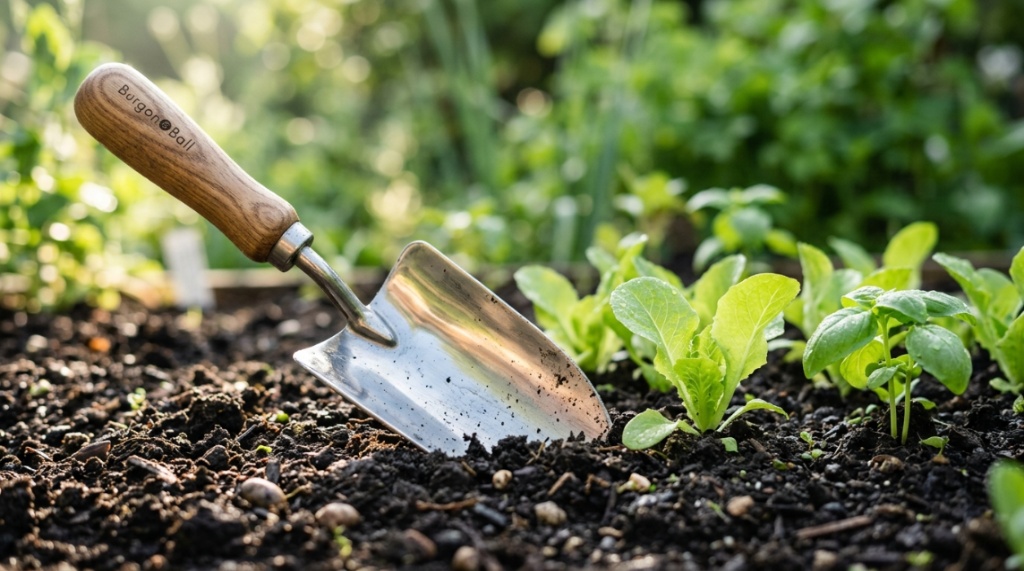
Genuine stainless steel has a slightly matte or brushed finish. It should not look shiny like chrome. If the surface is highly reflective and slippery, it might be a plated steel that looks like stainless but will flake off.
Price as a Signal
You can find a reliable stainless steel garden trowel for under $20. However, if you see a trowel for $5 at a discount store, check it carefully. Cheap stainless steel often has a low chromium content and will pit within weeks.
What Features Make a Trowel “Ergonomic” vs. Just “Fancy”?
Handle Shape and Wrist Angle
An ergonomic trowel has a curved handle that keeps your wrist in a neutral position. If the handle is perfectly straight, you will feel strain in your forearm after extended use. The best ergonomic trowels have a slight S-curve that aligns with your natural grip.
Finger Grooves and Textures
Deep finger grooves can actually be uncomfortable because they do not fit every hand size. Instead, look for a handle with subtle texture and a larger diameter. A thicker handle reduces the grip strength required.
Handle Length for Knuckle Clearance
A standard trowel handle is about 4 inches long. If you have large hands or wear gloves, look for a handle of at least 5 inches. This keeps your knuckles off the soil.
How to Clean and Store Your Stainless Steel Trowel
Immediate Cleaning After Use
Rinse the trowel with a garden hose to remove loose soil. If you have been digging in wet clay, use a stiff brush to scrape off the residue. Do not let soil dry on the blade because the salts in the soil can cause pitting over time.
Drying Is Non-Negotiable
Even stainless steel can develop water spots if left wet. After rinsing, wipe the blade with a dry cloth. If you are storing the trowel for winter, apply a thin coat of mineral oil to the blade and the tang.
Storage Location Matters
Do not store your stainless steel trowel on a concrete floor. Concrete holds moisture and will accelerate corrosion. Hang the trowel on a pegboard or store it in a dry wooden toolbox.
Should You Buy a Trowel with a Comfort Grip or a Wooden Handle?
When to Choose Comfort Grip
Choose a rubberized or foam comfort grip if you garden for long periods, have arthritis, or work in wet conditions. These handles reduce vibration and prevent blisters. However, they can become sticky or degrade if left in direct sunlight.
When to Choose Wood
Choose a wooden handle if you want a classic look and a tool that can be repaired. You can sand a wood handle and re-oil it indefinitely. Wood also absorbs sweat better than plastic, which helps with grip.
The Verdict
For most home gardeners, a stainless steel trowel with a rubberized TPE handle offers the best balance of comfort, durability, and low maintenance.
Which Trowel Is Best for Container Gardening?
Narrow Blades for Tight Spaces
Container gardeners need a trowel that fits inside pots without knocking over plants. A narrow blade (1.5 inches) with a pointed tip works best. Stainless steel is ideal here because it resists rust from the constant moisture in potting soil.
Short Overall Length for Control
A trowel that is too long will hit the edges of the pot. Look for an overall length of 10 to 12 inches. The shorter stem gives you better leverage in confined spaces.
Soft Grip for Indoor Use
If you are using the trowel indoors or on a patio, a soft non-slip handle protects your hands and your pots. Rubberized ends also prevent scratching ceramic pots.
When selecting a high-quality trowel, you need a blade sharp enough to slice through stubborn roots. This is especially important when you are clearing out soil patches where germinating weed seeds have taken hold and threaten to crowd out your new plantings
Frequently Asked Questions
Can stainless steel garden trowels rust in saltwater soil?
Yes, they can. High-grade stainless steel resists rust from fresh water and soil minerals, but saltwater is extremely corrosive. If you garden near the coast, rinse your trowel with fresh water immediately after every use.
Is a stainless steel trowel stronger than carbon steel?
No. Carbon steel is generally harder and can hold a sharper edge. However, carbon steel rusts quickly. Stainless steel trades some hardness for corrosion resistance. For most gardeners, stainless steel is the better choice because it requires less maintenance.
What is the best stainless steel grade for a trowel?
440-grade stainless steel is the most common choice for high-end gardening tools. It offers a good balance of hardness, edge retention, and rust resistance. Avoid 200-series stainless steel found in many cheap imports.
How often should I oil my stainless steel trowel?
If you use the trowel regularly in dry conditions, oiling is not necessary. If you store the trowel for the winter or live in a humid climate, oil it once per season with a light machine oil or mineral oil.
Can I put my stainless steel trowel in the dishwasher?
No. Dishwasher detergent is abrasive and can dull the finish. The high heat can also cause the handle to warp or crack. Always hand wash with mild soap and water.
Why does my new stainless steel trowel have small spots?
These are often water spots or residue from the manufacturing process. Wipe them with a cloth dipped in white vinegar. If the spots are brown and rough, they are rust pits from low-quality steel.
What is the difference between a trowel and a hand fork?
A trowel has a flat, scoop-shaped blade for digging and moving soil. A hand fork has prongs for loosening soil and weeding. Many gardeners own both, but a trowel is more versatile for planting and transplanting.
Your Next Step
Choosing a stainless steel garden trowel does not have to be complicated. Look for a full tang design, a comfortable handle that fits your hand, and a blade width that matches your soil type. Avoid shiny, cheap metal that looks like stainless steel but is actually just plated. Prioritize balance over appearance. A well-made stainless steel trowel will serve you for years, saving you time, money, and frustration. Pick one up today and feel the difference the next time you dig.






+ There are no comments
Add yours