
Finding the right first backpack for a young camper in Michigan is about more than just picking the smallest bag on the shelf. You need a pack that fits a growing child, handles the unpredictable Great Lakes weather, and doesn’t cause back pain by the time you reach the trailhead. Whether you’re planning a weekend at Sleeping Bear Dunes or a trek through the Porcupine Mountains, choosing the right gear makes the trip enjoyable for everyone. This guide breaks down exactly what to look for, how to get the fit right, and where to shop across Michigan to ensure your child is ready for adventure without carrying unnecessary weight.
Key Takeaways
- Wait until your child is at least 5 or 6 years old before buying a real hiking pack; younger kids are better suited for simple day bags.
- Prioritize a pack that weighs less than 2 pounds and is adjustable. The loaded pack should never exceed 15–20% of your child’s body weight.
- Look for padded shoulder straps, a sternum strap, and a hip belt to keep the load stable and prevent strain on growing shoulders.
- Choose water-resistant fabrics and weather covers because Michigan’s weather and lake-effect rain can change without notice.
- Test the pack in person at a local outfitter, or if buying online, carefully measure your child’s torso length using the brand’s sizing guide.
What Makes a Backpack Kid-Friendly?
Kid-friendly camping backpacks Michigan families rely on are not simply smaller adult packs. They are designed specifically for a child’s body proportions. Children have shorter torsos and narrower shoulders, so an adult pack, even cinched down, will ride too low and pull backward. A proper youth pack will have a shorter frame length, curved shoulder straps that prevent rubbing on the neck, and load-lifter straps that aren’t positioned too aggressively. Look for packs advertised with a specifically contoured harness system. These details matter because they shift the weight from the shoulders to the hips, which is where the load should sit.
Another key factor is simplicity. Kids do not need a complex suspension system with multiple compartments. A single main compartment with a drawstring closure, one external pocket for a water bottle, and an attachment point for a sleeping bag is often enough. Too many pockets create confusion and add unnecessary weight. You want the pack to be easy for the child to open, pack, and carry. When browsing options for kid-friendly camping backpacks Michigan, focus on the fundamentals of weight distribution and simplicity over extra features.
When Should You Buy a Real Hiking Backpack?
Age is a practical guide, but developmental readiness matters more. Between the ages of 5 and 7, most children have the coordination and core strength to handle a small pack weighing between 2 and 5 pounds. Before that age, they often struggle to balance the weight, and it can cause them to lean forward or stumble. A simple backpack used for school is perfectly fine for a toddler’s day hike. If you plan an overnight trip with a child under 5, consider pulling a gear trailer or having the adult carry the majority of the child’s gear. For older children, around ages 10 to 12, a properly fitted youth pack can handle a small portion of the shared family gear, like a lightweight sleeping bag or a mess kit.
It is also wise to match the pack size to the trip duration. For a day hike in Michigan’s state parks, a pack in the 15- to 20-liter range is ideal. For an overnight trek, you might step up to a 20- to 30-liter pack, but you must be careful not to overload it. A good rule of thumb is that the total weight of the pack, including water and gear, should not exceed 15% of your child’s body weight. For a 60-pound child, that means a maximum of 9 pounds on their back.
Key Features to Look For in a Youth Pack
Once you have decided on the right size, you need to evaluate the specific construction. Not all youth packs are created equal, and the quality of the straps and frame makes a significant difference on a 3-mile hike. Below are the critical components to examine.
Adjustable Torso Length
Kids grow quickly, so a pack with an adjustable torso is a smart investment. Many premium youth packs have a strap system or a sliding shoulder harness that allows you to extend the pack as your child grows. This can provide two to three seasons of use. If space isn’t adjustable, you must get a precise fit for the current length of their torso—that distance measured from the C7 vertebra (the bone at the base of the neck) down to the iliac crest (the top of the hip bone).
Comfortable Suspension System
Look for a pack with a breathable back panel made of mesh. This prevents sweat buildup during warm summer hikes. The shoulder straps should be S-curved and generously padded, but not so thick that they feel like a neck brace. A sternum strap is non-negotiable; it connects above the chest and stabilizes the load. Finally, a padded hip belt is essential even if it is simple. It helps transfer weight to the hips, which is a much stronger support structure than the shoulders. It doesn’t have to have pockets; it just needs to fit snugly over the hip bones,For parents looking for versatile, multi-purpose gear before hitting the trails with infants or toddlers, make sure to check out our guide on the Affordable Diaper Bag Backpack for Everyday Parenting.
Durable and Lightweight Materials
Children are not careful with their gear. They will drop their pack on rocks, drag it through mud, and use it as a seat. The fabric should be a high-denier nylon (like 420D or 600D), which is resistant to tears and abrasion. However, durability should not come at the cost of weight. A pack that weighs over 3 pounds empty is too heavy; it consumes too much of the child’s weight allowance before they even add gear. Try to find one in the 1.5- to 2.5-pound range.
How to Get the Right Fit for Your Child
Fit is the most critical factor for comfort and safety. A poorly fitted pack can cause chafing, backaches, and a negative attitude toward hiking. You can measure your child at home. This measurement is the same used by professional gear shops. Here is a simple step-by-step process:
- Ask your child to stand up straight with their head neutral.
- Feel for the bony bump at the base of their neck (C7). Place the end of a soft measuring tape there.
- Let the tape follow the curve of their spine down to the top of their hip bones.
- Record this number in inches. This is their torso length.
Compare that measurement to the sizing chart provided by the manufacturer. If the pack is too long, the hip belt will sit too low and the shoulder straps will pull away from the shoulders. If the pack is too short, the weight will ride too high and feel unstable. When trying the pack, load it with a pillow or a light sleeping bag. Tighten the hip belt first, then the shoulder straps, and finally the sternum strap. The shoulder straps should not dig into the armpits, and the pack should not bounce when they walk.
Popular Types of Kids’ Packs for Michigan Trips
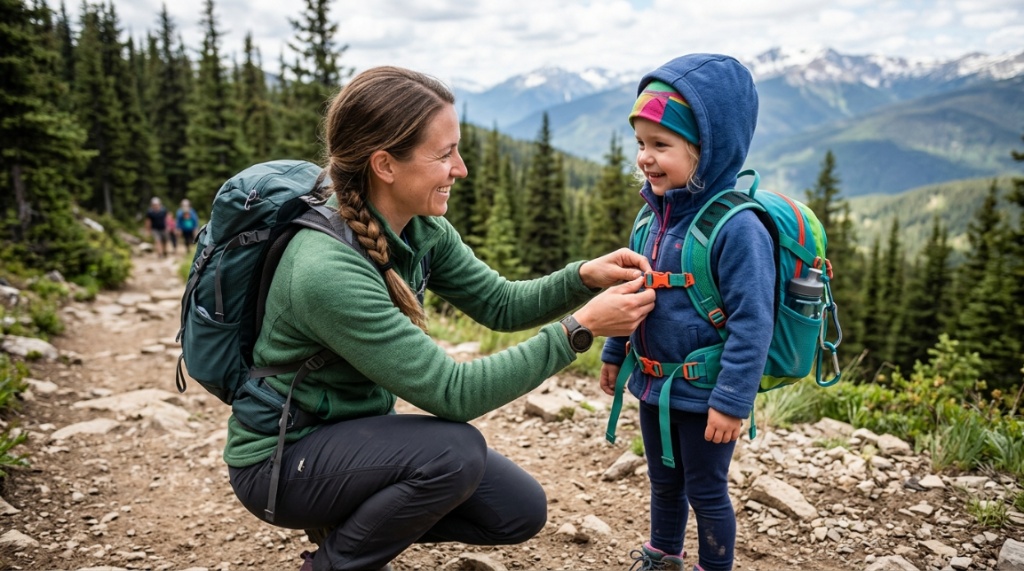
Michigan offers diverse terrain, but the type of pack you need is less about the location and more about the activity. Here is a comparison of the main categories you will encounter.
| Pack Type | Best For | Capacity | Key Advantage | Key Limitation |
|---|---|---|---|---|
| Day Pack | School trips, short hikes, park visits (e.g., Pictured Rocks) | 10–20 liters | Lightweight and simple | Not for carrying overnight gear |
| Multi-Day Youth Pack | Overnight camping, Boy Scouts/Girl Scouts trips | 20–30 liters | Larger capacity, usually better suspension | Heavier and more expensive |
| Hydration Pack | Long day hikes, biking trails (e.g., Kal-Haven Trail) | 5–12 liters | Encourages drinking water | Often lacks space for layers and food |
Day Packs for Kids
This is the most common entry point. It is ideal for carrying a lunch, a rain jacket, and a water bottle on a day trail. These packs usually have a simple main compartment and one mesh side pocket. They aren’t for heavy loads, but they teach the basics of packing and carrying gear.
Multi-Day Pack for Kids
If your child is ready for their first sleepover in the woods, this is the pack you need. These have a more sophisticated suspension system and padding. On a Michigan weekend trip, your child might carry their own clothing and a sleeping bag, while you carry the heavy tent and food. It is crucial to use a stuff sack to compress their sleeping bag to save space.
Where to Buy Youth Packs in Michigan
Michigan has a mix of large retailers with wide selections and specialty outfitters where you can get expert fitting advice. For the best experience, particularly if you are unsure about sizing, local outfitters are the way to go. They often have staff trained in fitting kids, which saves you a lot of trial and error. Stores like Moosejaw (with locations in Troy and Ann Arbor) and local shops in Traverse City or Marquette are excellent starting points.
If you prefer to shop online, you have access to a broader range of brands. However, online shoppers must be diligent. Always check the return policy to ensure you can return the pack if the fit is wrong. If you are in a remote area of the Upper Peninsula, ordering online might be your only option. In that case, measure twice and buy once. Look for brands like REI Co-op, Osprey, and Deuter, which have specialized youth lines.
Common Mistakes to Avoid When Buying
Many parents make the mistake of overbuying a large pack so the child can “grow into it.” This is a significant error. An oversized pack forces the hip belt to sit incorrectly and the shoulder straps to gape, causing strain. It is better to buy a pack that fits now and plan to replace it in a few years. Another common issue is neglecting to factor in the weight of the pack itself. A pack that is heavier than 2.5 pounds empty leaves little room for gear before you hit the weight limit.
Also, avoid buying a pack with too many compartments. Kids have a hard time remembering where they put things, and it adds unnecessary zippers and fabric weight. Finally, don’t forget the weather. Michigan’s climate dictates that you need a pack with a rain cover or a way to protect your gear. Lake-effect rain can come in fast, and a soaked sleeping bag will ruin a trip. Ensure your pack has a pocket specifically for a rain cover or that the fabric is treated heavily with a water-resistant coating.
Final Checklist Before You Purchase
Before you hand over your card, go through this checklist to ensure you are making a sound investment. First, does the pack fit the torso length of your child right now? Second, does it weigh less than 2.5 pounds empty? Third, are the straps contoured and the buckles easy for small hands to operate? Fourth, does it have a sternum strap and a functional hip belt? Fifth, does it have space for a hydration reservoir or water bottle? If you can answer yes to all five, you have found a suitable pack. Remember to budget for a waterproof cover if it doesn’t come with one.
Frequently Asked Questions
What is the ideal pack weight for a 7-year-old?
For a 7-year-old, the empty pack should weigh no more than 2 pounds. The total weight when fully loaded should be around 15% of their body weight. If your child weighs 50 pounds, the pack should not exceed 7.5 pounds when full.
Can my child use a school backpack for camping?
For very short day hikes, a school backpack is acceptable if it fits correctly. However, it typically lacks a hip belt and ventilation. For any trail over a mile or any overnight trip, a hiking-specific pack with a suspension system is safer and more comfortable.
How much does a good youth backpack cost?
You can expect to pay between $50 and $150. The higher price usually reflects a better suspension system, lighter fabrics, and adjustable torso lengths. If your child is very interested in camping, the higher initial cost is worth it because the pack will last longer.
Is a hydration pack better than a bottle for kids?
Hydration packs (bladders) are excellent because they make it easy to sip water without stopping. However, some children dislike them because the water gets warm and the hose is hard to clean. Many parents prefer a pack with a side pocket for an insulated bottle to keep water cold.
When can my child carry a full camping load?
Generally, this is not recommended until age 12 or older. Even then, the load should be strictly limited to 15-20% of their body weight. Carrying a heavy load earlier can lead to back pain and discourage them from continuing the hobby.
Conclusion
Buying the right youth backpack for camping in Michigan is a short-term investment that pays off in long-term memories. By prioritizing a correct fit, a lightweight frame, and an adjustable suspension system, you will set your child up for success on the trail. Do not skip the fitting process. Visit a local store to get proper measurements if possible, or carefully measure yourself at home and follow the manufacturer’s guide. Avoid the temptation to buy a large pack for them to grow into, and always keep the loaded weight within the safe limit of 15% of their body weight. With the right gear, your child will be ready to enjoy the dunes, forests, and lakes that Michigan has to offer, carrying their own kit with confidence and pride.



+ There are no comments
Add yours