

Direct answer: Choose an off-road bicycle that matches your terrain and speed: prioritize correct sizing, strong brakes, appropriate tire tread/width, and a reliable suspension setup. For most riders, a modern hardtail trail bike is the best value; a full-suspension trail mountain bike is worth it when trails are consistently rocky, rooty, fast, or steep.
The fastest way to waste money on an off-road bike is buying a spec sheet instead of a solution. Marketing pushes travel numbers, gear counts, and “race” language, while your real problems are usually simpler: the bike doesn’t fit, traction is poor, braking feels sketchy, or the suspension is harsh. Off-road riding punishes the wrong choices quickly. This guide answers the exact questions people search—what to buy for trail riding, how to tell if a bike is truly trail-capable, and what matters most for control and safety.
What type of mountain bike is best for off-road riding?
Direct answer: A trail-focused hardtail is best for many off-road riders; choose a full-suspension trail mountain bike if your trails are rough enough to justify the added cost and maintenance.
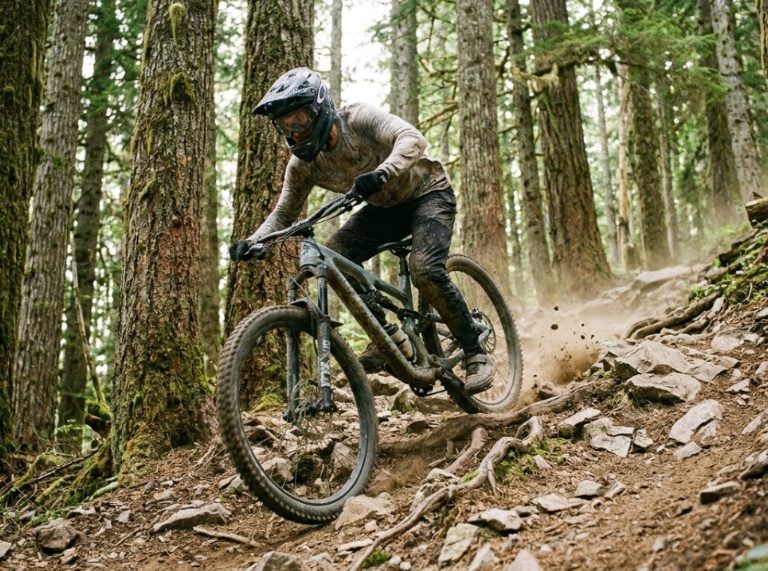
“Off-road” can mean anything from smooth packed dirt to rock gardens. Match the bike type to the typical hardest trail you’ll ride, not the easiest.
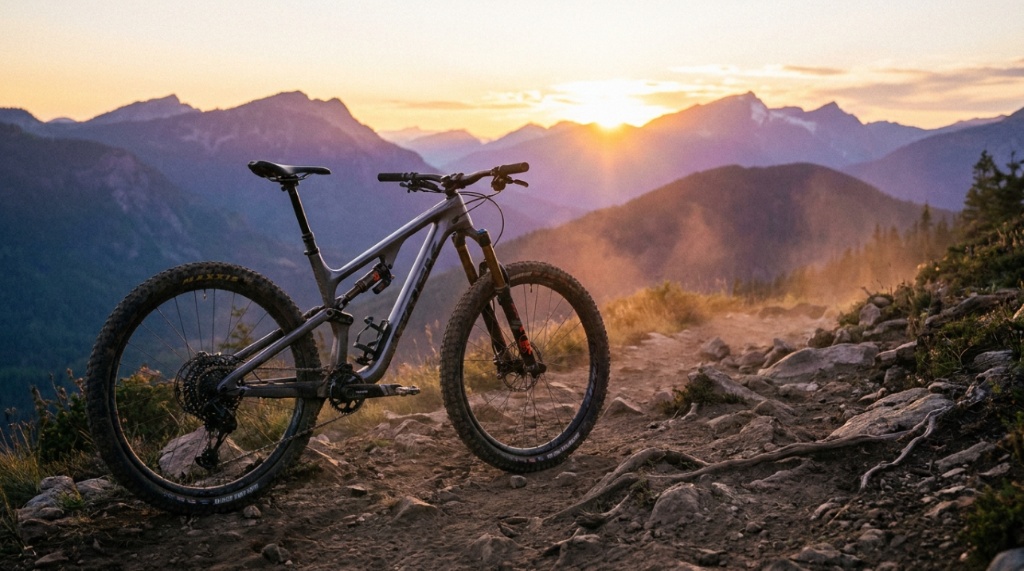
- Hardtail (front suspension only): Efficient, durable, and high value; ideal for smoother to moderately rough trails.
- Full-suspension trail bike: More control and less fatigue in rough terrain; higher price and service needs.
- Enduro/downhill: Overkill unless you regularly ride steep, high-speed descents and bike-park terrain.
People also ask: Is a hardtail good enough for off-road trails?
Direct answer: Yes—hardtails handle most trails well with the right tires and technique, and they often outperform cheap full-suspension bikes at the same price.
On a budget, a hardtail usually buys you better brakes, wheels, and drivetrain. Those deliver control and reliability every ride.
How do you choose the correct frame size for an off-road bicycle?
Direct answer: Choose a size that gives you stable handling and room to move—off-road riding requires shifting body position, not just sitting and spinning.
Off-road bikes are designed for dynamic movement: hips back on descents, weight forward on climbs, elbows out in corners. If the frame is too big, you’ll feel trapped; too small, and it can feel nervous at speed.
- Standover clearance: Comfortable when straddling; important for quick dismounts on technical sections.
- Reach: You should be able to stand and hinge at the hips without feeling over-stretched.
- Handlebar height: Too low can overload hands; too high can reduce front-wheel grip on climbs.
People also ask: What’s the biggest sign a mountain bike doesn’t fit off-road?
Direct answer: If you can’t shift your weight freely—especially standing on descents—fit is likely wrong or the cockpit setup needs adjustment.
What suspension travel do you need for trail riding?
Direct answer: Choose travel based on trail roughness and speed: moderate travel for general trail riding; more travel for sustained rough descents.
Travel numbers vary by category, but the practical point is this: more travel can add weight and reduce pedaling efficiency if you don’t need it.
- XC/light trail: Efficient for smoother trails and climbing-focused rides.
- Trail: Versatile for mixed terrain, roots, rocks, and moderate drops.
- Enduro: For faster, rougher descents and bigger hits.
People also ask: Is more suspension always better off-road?
Direct answer: No—too much travel for your terrain can feel sluggish and reduce climbing efficiency; good tires and correct suspension setup matter more.
Even a great fork rides poorly if it’s not set up. Measuring sag and using appropriate rebound settings improves traction and comfort more than chasing higher travel.
How do you choose tires for an off-road bicycle?
Direct answer: Choose tire tread and width based on soil type and trail conditions; traction is your #1 off-road performance factor.
Tires control braking traction, cornering confidence, and how harsh the trail feels. Two riders on identical bikes can have completely different experiences based on tire choice and pressure.
- Hardpack: Tighter knobs, faster rolling.
- Loose over hard: Strong side knobs for cornering bite.
- Wet/mud: Wider knob spacing to shed mud.
People also ask: Should I go tubeless for trail riding?
Direct answer: If your rims/tires are compatible, tubeless is usually worth it for puncture resistance and better grip at lower pressures.
Tubeless setups reduce pinch flats and allow lower pressures, which improves traction and comfort. The tradeoff is learning sealant maintenance and occasional troubleshooting.
Which brakes are best for trail mountain bike riding?
Direct answer: Hydraulic disc brakes are best for most trail riding because they offer consistent power and modulation with less hand fatigue.
Off-road descents require controlled braking, not panic stopping. Hydraulic systems typically provide smoother modulation, especially when trails get steep or long.
What drivetrain setup is best for off-road trails?
Direct answer: A 1x drivetrain (single front chainring) is best for most trail riders because it’s simpler, quieter, and less prone to chain issues.
1x drivetrains reduce dropped chains and simplify shifting decisions. For steep climbs, gear range matters—look for a wide-range cassette rather than extra chainrings.
People also ask: Do I need a 12-speed drivetrain for trail riding?
Direct answer: Not necessarily—many riders do great with 10–12 speed; what matters is usable range and reliable shifting under load.
What geometry features make a bike truly trail-capable?
Direct answer: Trail-capable bikes balance stability and maneuverability with modern geometry: stable front end, room to move, and predictable handling.
While numbers vary by brand, you can use these real-world cues:
- Stable descending: Bike doesn’t feel twitchy at speed.
- Climbing traction: Front wheel stays planted on steep climbs.
- Cornering confidence: You can lean the bike without it feeling like it will wash out instantly.
Once you find the right frame and suspension setup, maintaining your drivetrain is crucial for trail performance. Check out our comprehensive guide on Mountain Bike Chain Lube: Dry vs Wet Lubricants Explained to keep your new ride shifting smoothly in any weather condition.
How do you compare an off-road bicycle and a trail mountain bike quickly?
Direct answer: Compare terrain match, braking performance, tire readiness, suspension quality, and long-term maintenance cost.
| Category | Best-value choice | Red flag |
|---|---|---|
| Frame + fit | Correct size with comfortable standover | “Deal” bike that feels too big/small |
| Brakes | Hydraulic discs | Weak braking or lever-to-bar pull |
| Tires | Trail-appropriate tread + width | Cheap tires that slip or puncture often |
| Suspension | Serviceable fork, correct setup | Harsh fork or leaking seals |
| Drivetrain | Simple 1x with wide-range cassette | Noisy shifting, skipping under power |
If you’re cross-checking typical wheel-size and budget specs you’ll see in many entry-level trail bikes, this off-road bicycle review-style resource can help you understand the tradeoffs brands make at lower price points.
What mistakes cause people to buy the wrong trail mountain bike?
Direct answer: The biggest mistakes are buying the wrong size, overbuying travel, ignoring tires and brakes, and underestimating maintenance costs.
- Choosing a bike based on looks instead of terrain match
- Assuming “more gears” equals better performance
- Ignoring tire quality and running incorrect pressures
- Buying used without checking drivetrain/brake wear
Conclusion: How do you choose the right bike for off-road riding?
Direct answer: Match the bike to your trails, prioritize fit and traction, and buy the simplest setup that delivers control and reliability.
Off-road riding rewards smart fundamentals: a bike that fits, brakes you can trust, and tires that grip your local dirt. Once those are right, suspension becomes a tool you tune—not a number you chase. If you share what your trails look like (smooth hardpack, loose sand, rocks/roots) and your budget, I can help you narrow down the exact category and “must-have” specs.
FAQ
What is an off-road bicycle?
Direct answer: An off-road bicycle is a bike designed for unpaved terrain, typically with wider tires, stronger brakes, and geometry suited to trails.
What is the best trail mountain bike for beginners?
Direct answer: A hardtail trail bike with hydraulic disc brakes and trail-appropriate tires is often the best beginner option.
How much suspension travel do I need for trails?
Direct answer: Choose moderate travel for mixed trails; increase travel only if your riding is consistently rough and fast.
Which is better for trails: hardtail or full-suspension?
Direct answer: Hardtails offer better value and simplicity; full-suspension offers more comfort and control on rough trails if budget allows.
What tires are best for trail riding?
Direct answer: Tires with tread matched to your soil type and correct pressure provide the biggest traction and confidence gains.
Do I need hydraulic brakes for off-road riding?
Direct answer: They’re not mandatory, but hydraulic disc brakes are strongly recommended for consistent control and less hand fatigue.
How do I know if a used trail bike is a good deal?
Direct answer: Confirm fit, check drivetrain and brake wear, inspect wheels and bearings, and test ride under load before buying.




+ There are no comments
Add yours