
If you wake up with a stiff neck, a hot face, and the sinking feeling that your pillow is working against you, you are not alone. Many people assume that a high-quality sleep setup requires spending hundreds of dollars. The truth is that finding a cooling orthopedic pillow on a budget is entirely possible if you know what to look for. The challenge isn’t whether affordable options exist—it’s separating genuine value from marketing fluff. This guide walks you through exactly how to choose a pillow that keeps your spine aligned and your head cool without draining your wallet. By the end, you will know which materials matter, which features justify the cost, and how to spot a deal that actually delivers.
What makes an orthopedic pillow different from a regular pillow?
Spinal alignment is the primary goal
An orthopedic pillow is designed to maintain the natural curve of your cervical spine while you sleep. Unlike a standard pillow that often forces your neck into an unnatural angle, orthopedic options use contoured shapes or adjustable fills to support the gap between your head and the mattress. This reduces pressure points and can alleviate chronic neck pain, headaches, and shoulder stiffness. If you sleep on your back or side, this type of support is critical.
Material composition determines effectiveness
Most orthopedic pillows use memory foam, latex, or shredded fill. Memory foam molds to your shape but can trap heat—which brings us to the cooling requirement. Latex is naturally more breathable but tends to be pricier. Shredded pillows offer adjustability but vary widely in quality. The key is finding a material that provides adequate support while allowing airflow to prevent heat buildup. A budget-friendly orthopedic pillow doesn’t have to sacrifice cooling if it uses gel infusions or open-cell foam.
Why does cooling matter for an orthopedic pillow?
Temperature regulation affects sleep quality
Your core temperature drops naturally as you fall asleep, and any disruption to this process can fragment your rest. A pillow that traps heat can cause night sweats, tossing, and turning. Overheating is one of the most common complaints about memory foam pillows, even orthopedic ones. A cooling feature is not a luxury—it is a functional requirement for uninterrupted deep sleep.
Cervical support is compromised by heat
When memory foam gets hot, it softens. A softened pillow no longer provides the firm support needed to keep your cervical spine aligned. This means that even if you buy an orthopedic pillow, it stops working properly if it overheats. A cooling element ensures the foam stays at a consistent density throughout the night, preserving the therapeutic benefit you paid for. This is why a cooling orthopedic pillow on a budget must balance temperature control with structural integrity.
Which cooling technologies actually work without breaking the bank?
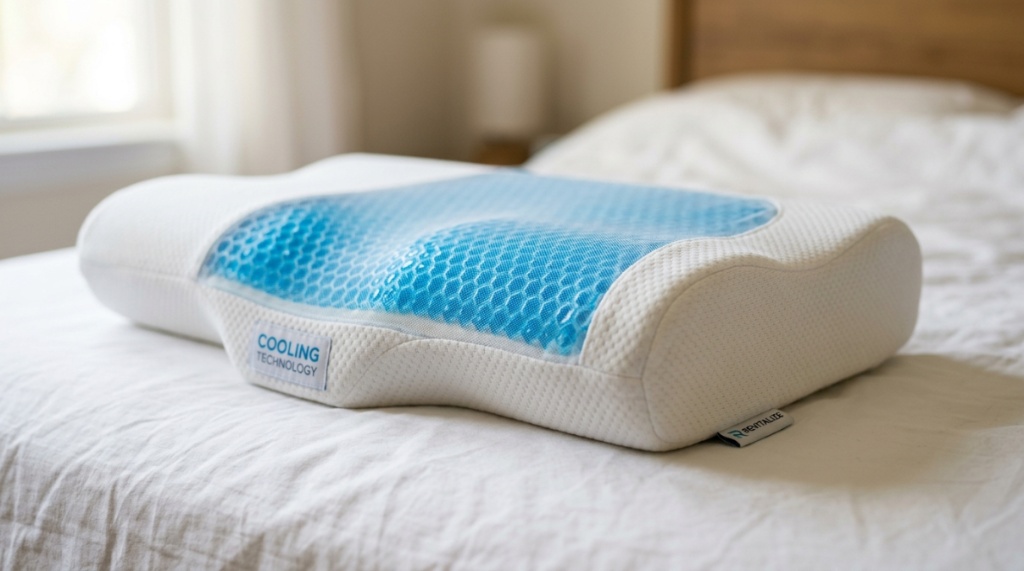
Gel-infused memory foam
Gel infusions are the most common budget-friendly cooling solution. The gel particles absorb and redistribute heat away from your head. While gel is not as effective as active cooling methods like phase-change materials, it is a noticeable improvement over standard foam. Most pillows in the $30–$60 range use gel infusions, making them a solid entry point for budget-conscious buyers.
Open-cell foam and breathable covers
Foam structure matters more than most shoppers realize. Open-cell foam allows air to circulate through the pillow, preventing heat from getting trapped. Pair this with a cover made of bamboo rayon, cotton, or Tencel, and you get a cooling effect without paying for expensive gels or electronics. These covers are often removable and washable, which adds to the pillow’s longevity. Always check the cover material before buying.
Phase-change materials (PCM)
PCM technology absorbs excess heat and releases it when your body starts to cool. This is the most advanced cooling method, but it usually appears in premium pillows costing over $100. However, some budget models now include small PCM layers on the surface. If you find a pillow under $70 with a PCM top panel, it is a strong value pick. Just make sure the core filling is still supportive enough for your sleep position.
| Cooling Method | Typical Price Range | Effectiveness | Best For |
|---|---|---|---|
| Gel-infused foam | $30–$60 | Moderate | Hot sleepers on a tight budget |
| Open-cell foam | $40–$70 | Good | Those who want breathability |
| Phase-change material | $50–$80 (budget options) | Excellent | All-night temperature regulation |
How do you know if a budget orthopedic pillow is supportive enough?
Check the loft height for your sleep position
Loft is the height of the pillow when laid flat. Side sleepers generally need a loft of 4–5 inches to fill the space between the ear and shoulder. Back sleepers need 2–4 inches. Stomach sleepers should look for pillows under 2 inches. Many budget orthopedic pillows come with a removable insert or adjustable fill so you can customize the loft yourself. Adjustability is a huge advantage because it lets you dial in the support without paying for a custom pillow.
Firmness should match your body weight
A pillow that is too soft will not hold your neck in alignment. One that is too hard can cause pressure points. For budget options, medium-firm is usually the safest choice. Heavier individuals may need a firmer pillow to prevent sinking, while lighter sleepers can get away with a softer feel. Read reviews from people with a similar build to gauge whether a particular model meets your needs.
Can you find a cooling orthopedic pillow under $50?
Yes, but with trade-offs
Pillows under $50 can offer decent orthopedic support and cooling, but you may have to compromise on longevity or warranty. Many affordable models use lower-density foam that can lose shape within six months. However, if you rotate the pillow regularly and follow care instructions, you can extend its lifespan. Look for brands that offer a 30-day trial or a one-year warranty—this protects you if the pillow degrades quickly.
What to prioritize in the $30–$50 range
Focus on adjustable fill pillows made from shredded memory foam. They allow you to remove or add fill to achieve the right loft and firmness. For cooling, choose a model with a breathable bamboo cover and gel-infused foam. Remove the fill to wash the cover separately, and fluff the pillow daily to maintain airflow. This price range is ideal for testing whether an orthopedic pillow works for you before investing in a premium model.
If you are shopping in California and want a curated list of affordable models that meet these criteria, check out cooling orthopedic pillow on a budget options that have been tested for both support and temperature control.
What features should you never sacrifice when shopping on a budget?
Removable and washable cover
Hygiene is non-negotiable. Sweat, oil, and dead skin accumulate on pillows quickly. A removable cover that you can wash every two weeks prevents bacterial buildup and extends the life of the pillow. Budget pillows often skip this feature, so make it a requirement. If the cover is not machine-washable, pass on the purchase.
Non-toxic certifications
Cheap memory foam can off-gas volatile organic compounds (VOCs) that may cause headaches or respiratory irritation. Look for certifications like CertiPUR-US or OEKO-TEX Standard 100. These indicate the foam was tested for harmful chemicals and emissions. You do not need a premium brand to get certified foam—many budget manufacturers now meet these standards to compete in the market.
Return policy or trial period
An orthopedic pillow is a personal item. What works for one person may not work for you. Budget pillows do not always come with free trials, but some do. A 30-night return policy provides peace of mind. If the pillow does not relieve your neck pain or keep you cool, you are not stuck with a useless purchase. This feature alone can save you more money than the pillow itself costs.
How to maintain your budget orthopedic pillow for long-term use
Fluff daily to prevent permanent indentation
Memory foam and shredded fill settle over time. Fluffing the pillow each morning redistributes the fill and restores loft. This simple habit prevents the pillow from developing flat spots that compromise support. It also opens up air channels, which helps with cooling. Spend 15 seconds on this step, and your pillow will last twice as long.
Wash the cover weekly and the pillow monthly
Most budget orthopedic pillows cannot be machine washed—only the cover. Spot-clean the foam with a damp cloth and mild detergent. For shredded fill pillows, you can sometimes wash the inner bag on a gentle cycle, but always check the label. Drying thoroughly is critical; moisture trapped in foam leads to mildew and odor. Use a low-heat setting with dryer balls to restore fluffiness.
Replace every 12 to 18 months
Budget pillows have a shorter lifespan than premium ones. Plan to replace yours every year to 18 months if you notice reduced support, persistent heat buildup, or visible sagging. Mark your calendar or set a reminder. The cost of a new budget pillow is far less than the medical bills and lost productivity from poor sleep due to an expired pillow.
Which budget materials are best for side sleepers versus back sleepers?
For side sleepers: contoured gel memory foam
Side sleepers need a pillow with a higher loft and a contour that supports the neck curve. Budget contoured pillows often use gel memory foam in a one-piece mold. The gel helps counteract the heat retention of dense foam. Look for a model with two different loft heights on each side—one for side sleeping and one for back sleeping. This gives you flexibility without buying two pillows.
For back sleepers: adjustable shredded latex or foam
Back sleepers require a medium loft that doesn’t push the head too far forward. Shredded latex is naturally cooler than memory foam and responds quickly to movement. Budget versions blend shredded latex with synthetic fibers to lower the cost. The adjustability lets you remove fill to find the perfect height. For back sleepers, this is often more effective than a fixed contour pillow,
When shopping for affordable options, look closely at the materials used for airflow. While budget friendly gel-infused foams offer immediate relief, how the pillow handles humidity over time dictates its lifespan. Understanding Foam Pillow Moisture Removal Methods will help you keep your budget purchase fresh, hygienic, and mold-free for years to come.
Is a cooling pillow cover enough, or do you need cooling fill?
Cover alone is often insufficient
A cotton or bamboo cover can wick moisture away from your skin, but if the foam core is dense and heat-retentive, you will still overheat. The cover acts as the first line of defense, but the underlying material determines whether heat builds up overnight. A cooling cover on a standard memory foam pillow is like wearing a breathable shirt under a winter coat.
Combination approach delivers best results
The most effective budget strategy is to buy a pillow with both a breathable cover and a cooling-infused core. Gel foam or open-cell foam paired with a bamboo cover creates a system that wicks moisture, allows airflow, and dissipates heat. If you can afford slightly more, look for a pillow with a phase-change material layer between the cover and the foam. This combination keeps you cool even if you sleep hot.
Frequently Asked Questions
What is the best budget cooling orthopedic pillow for side sleepers?
A shredded memory foam pillow with a medium-firm feel and a gel-infused core works well for side sleepers. Look for a model with a loft between 4 and 5 inches and a removable, washable bamboo cover. Adjustable fill allows you to fine-tune the height for your shoulder width.
How long does a budget orthopedic pillow usually last?
Most budget orthopedic pillows last between 12 and 18 months with proper care. Fluffing daily, washing the cover weekly, and keeping the pillow dry will maximize its lifespan. Replace it when you notice permanent indentations or reduced cooling performance.
Can a cooling orthopedic pillow help with snoring?
Yes, in some cases. An orthopedic pillow that keeps your neck aligned can help open your airway, reducing snoring caused by poor head positioning. The cooling feature does not directly affect snoring, but better sleep quality can reduce inflammation that contributes to snoring.
Do I need a special pillowcase for a cooling pillow?
No, but a breathable pillowcase made from cotton, bamboo, or Tencel enhances the cooling effect. Avoid thick polyester or flannel cases, which trap heat. A light-colored case also reflects heat better than dark colors.
Is memory foam or latex better for cooling on a budget?
Latex is naturally more breathable than memory foam, but it is usually more expensive. For a budget, gel-infused memory foam offers a better balance of price and cooling performance. Open-cell memory foam is another affordable option that breathes reasonably well.
What should I do if my budget pillow still feels too warm?
Try removing the cover and washing it in cold water to remove any manufacturing residue. Also, fluff the pillow more vigorously to break up compressed foam. If these steps do not help, place a thin cotton blanket between the pillow and your pillowcase for added moisture wicking.
Can I return a budget cooling orthopedic pillow if it doesn’t work?
Many budget brands offer a 30-day money-back guarantee, but not all. Check the return policy before purchasing. Some online retailers provide free returns, while others charge a restocking fee. Save the original packaging in case you need to send it back.







+ There are no comments
Add yours