


Heat Acclimatisation for Spain Rugby Tours
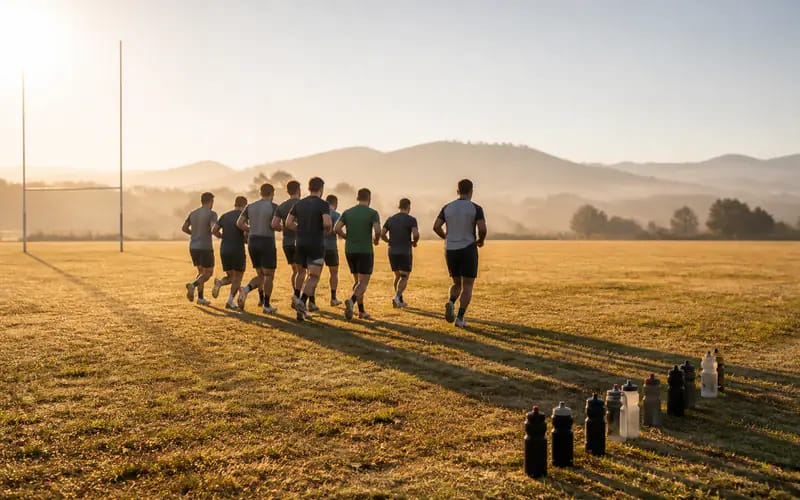
The training surfaces on Spain Rugby Tours will be very different to those found on training pitches back in the UK and can catch out teams who have not prepared for the temperature. Preparation prior to departure will make the biggest difference and allow teams to function at their best while abroad.
Start Heat Training Before You Fly
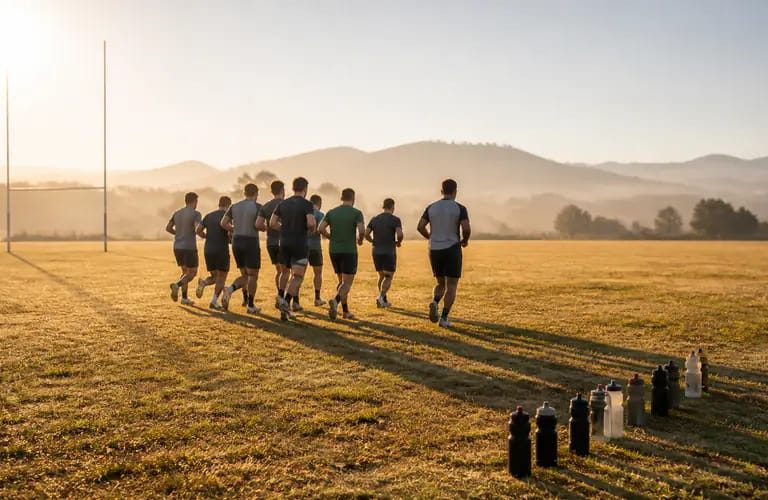
Acclimatize to the heat at home 10-14 days prior to departure. This could be by wearing additional layers to training and ensuring that your training kit is suitable for warm weather. The main physical adaptation to heat that you are looking for is for your body to start sweating sooner and more efficiently than normal. This can be replicated on training sessions held in the warmest part of the day, prior to your departure.
Shift Training Times Once There
The coaches too should avoid training in midday sun, as the surface temperature of a training pitch can be significantly higher than the air temperature. Use your early morning/late afternoon sessions and avoid scheduling midday sessions on exposed pitches. The coach’s discomfort in standing still in the sunshine is a good indicator that a full contact session would leave the players tired and famished very quickly.
Build a Hydration Schedule Early
Hydration needs to start prior to departure for the tour. Start to get players to drink lots of water 2-3 days prior to travel, and then continue to get them to follow a schedule of hydration for the duration of the tour, with set drink breaks before and during sessions. This can be tracked on a tour manager’s phone, and players’ urine checked in the morning to ensure they are passing it of the correct colour.
Use Electrolytes, Not Just Water
Players lose plenty of salt when they sweat heavily during a long session. Although many hotels have a supply of electrolyte drinks in the hotel’s pool or gym, many rural training grounds do not. Therefore it is best to pack plenty of electrolyte tablets or sachets in your first aid kit. These can be added to players’ water bottles and then consumed between sessions.
Build Rest Into the Daily Plan
Whilst the itinerary for your tour may initially appear to be jam-packed with back-to-back sessions of training, sightseeing and matches, remember that in very hot weather players need rest as much as at any other time. Make sure that you are allowing your players for proper rest in the shade between each of your daily activities, not just when you get back to your hotel in the evening. See also advice on booking a group sports tour for ways in which rest days can be included in your tour itinerary.
Choose the Right Kit and Sun Protection
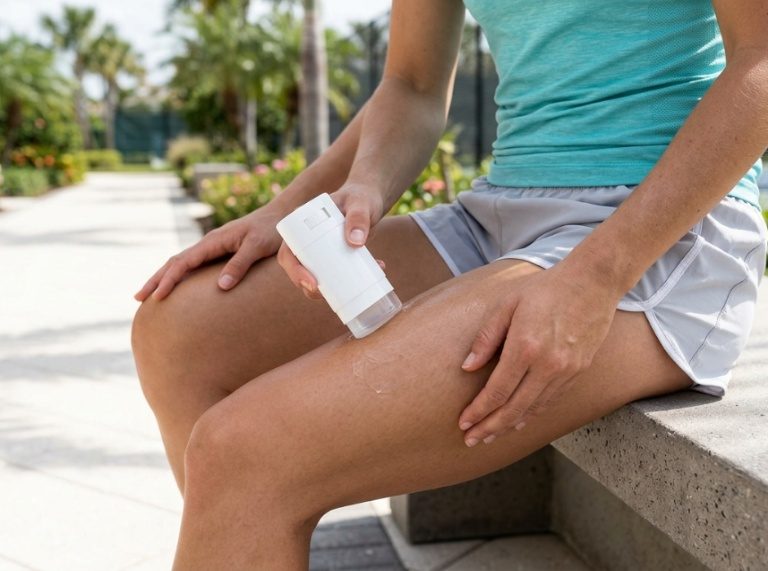
Dark coloured kit holds heat in the fabric, so opt for lighter coloured tops where possible. This could be your club training tops but for away games pack some light coloured, breathable tops to wear instead. High factor sunscreen should also be packed and reapplied throughout the day. Some players will be more sensitive to the sun than others so be sure to check with them what level of protection they need. Fair skinned players and those on certain medications will need extra protection in the sun.
Know the Signs of Heat Exhaustion
It is often perceived that heat exhaustion is caused by players collapse but the early signs are dizziness, muscle cramps, being confused for words and cessation of sweating whilst exerting. All coaches should know how to treat the early signs of heat exhaustion and prevent it happening in the first place. A player showing any of these signs needs to be pulled from play immediately and given cool water or first aid as required. It is the coach’s greatest fear to have a player be taken off but they will tire so much quicker if they continue to play when they are suffering from heat exhaustion.
Pace Match Day Itself
On match days too players need to be reminded of the need to take on plenty of water and for water breaks to be taken, these can be programmed into stoppages in the game to ensure that players can take on as much liquid as possible. As with training younger players travelling on tour need to be played in shorter periods of time than their older teammates. Also it is a good idea to check the government travel advice for Spain before you travel in order to check for any local heat warnings or health advice and also check what healthcare is provided and what you will need to pay for before you travel.
None of this has to be complicated, it can all be organised prior to departure to ensure the acclimatization, hydration and pacing of your players in the heat becomes second nature and does not dictate your tour. Rugby Tours To Spain can arrange all rugby tours to Spain whether it be with a senior squad or a youth side on their first tour.



+ There are no comments
Add yours