
At 2:17 a.m., a baby’s forehead can feel like a medical mystery. One minute they seem comfortable, and the next you’re staring at a thermometer wondering whether the number on the screen means rest, observation, or an urgent call to a pediatrician. The most important thing to know is this: a normal infant temperature is generally around 97.5°F to 100.4°F (36.4°C to 38°C), depending on how it is measured, and a temperature of 100.4°F (38°C) or higher is considered a fever in babies. Understanding normal temperature ranges and recognizing baby fever symptoms can help parents make informed decisions and seek medical care when necessary.
Many parents worry because babies cannot explain how they feel. A slight temperature change may be harmless, or it could signal an infection requiring attention. The uncertainty often creates more stress than the fever itself. Knowing what temperature is normal, which symptoms matter most, and when to contact a healthcare professional removes much of the guesswork.
This guide explains normal baby temperature ranges, common causes of fever, warning signs that require medical attention, accurate temperature-taking methods, and practical steps parents can follow when a fever occurs.
What Is a Normal Infant Temperature?
Direct answer: A normal infant temperature typically falls between 97.5°F and 100.4°F (36.4°C to 38°C), depending on the baby’s age, activity level, and the method used to measure temperature.
Body temperature naturally fluctuates throughout the day. It may be slightly lower in the morning and slightly higher in the evening. Factors such as clothing layers, room temperature, physical activity, and recent feeding can also influence readings.
Healthcare professionals generally consider these ranges normal:
| Measurement Method | Normal Temperature Range |
|---|---|
| Rectal | 97.9°F–100.4°F (36.6°C–38°C) |
| Forehead (Temporal) | 97.8°F–100.3°F (36.5°C–37.9°C) |
| Ear (Tympanic) | 97.8°F–100.0°F (36.5°C–37.8°C) |
| Armpit (Axillary) | 97.5°F–99.5°F (36.4°C–37.5°C) |
Because measurement methods vary slightly, choosing an accurate thermometer is important. Parents looking for detailed recommendations can explore this guide to selecting a reliable baby thermometer for more information about different thermometer types and their accuracy.
The key point is that a single reading should always be interpreted alongside your baby’s behavior, age, and overall condition.
What Temperature Counts as a Fever in Babies?
Direct answer: A baby has a fever when their rectal temperature reaches 100.4°F (38°C) or higher.
Fever is not a disease. It is the body’s natural response to infection, inflammation, or other immune system activity. In many cases, fever helps the body fight viruses and bacteria more effectively.
Common fever classifications include:
- Low-grade fever: 100.4°F–102.2°F (38°C–39°C)
- Moderate fever: 102.2°F–104°F (39°C–40°C)
- High fever: Above 104°F (40°C)
While fever itself is not always dangerous, the baby’s age is critical. Newborns and very young infants require closer medical evaluation because their immune systems are still developing.
Does every fever mean my baby is seriously ill?
Direct answer: No. Many fevers are caused by common viral infections and resolve without complications.
Colds, influenza, respiratory viruses, ear infections, and mild gastrointestinal illnesses frequently cause temporary fevers. Pediatricians often focus more on the baby’s appearance, hydration status, breathing, and responsiveness than on the exact temperature number alone.
What Are the Most Common Baby Fever Symptoms?
Direct answer: Common baby fever symptoms include warmth, flushed skin, irritability, poor feeding, sleepiness, decreased activity, and changes in behavior.
Every baby responds differently to fever. Some remain playful despite elevated temperatures, while others become noticeably uncomfortable.
Common symptoms include:
- Warm forehead or body
- Red or flushed cheeks
- Increased fussiness
- Reduced appetite
- Difficulty sleeping
- Excessive sleepiness
- Reduced activity level
- Rapid breathing
- Sweating or chills
- Mild dehydration signs
Behavioral changes often provide important clues. A baby who normally smiles and interacts but suddenly becomes lethargic deserves closer monitoring regardless of temperature.
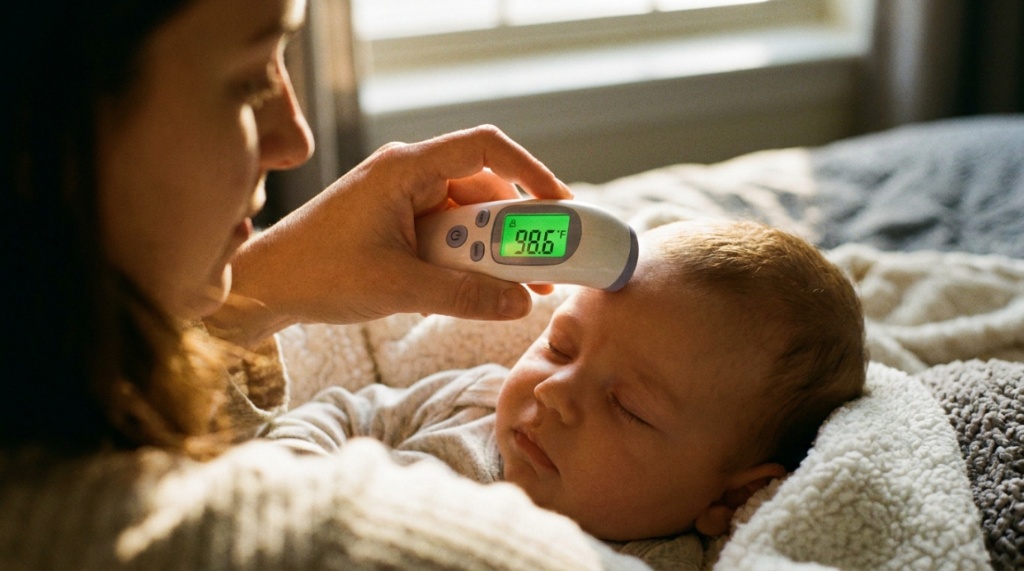
Can teething cause a fever?
Direct answer: Teething may slightly increase body temperature but generally does not cause a true fever above 100.4°F (38°C).
If your baby develops a significant fever, another cause such as a viral or bacterial infection should be considered rather than assuming teething is responsible.
How Should You Measure a Baby’s Temperature Accurately?
Direct answer: Rectal thermometers provide the most accurate temperature readings for infants, especially under three months old.
Accurate measurement reduces unnecessary anxiety and helps healthcare providers make appropriate recommendations.
General guidance includes:
- Birth to 3 months: Rectal measurement is preferred.
- 3 months and older: Rectal, forehead, or ear thermometers may be used depending on age and manufacturer instructions.
- Armpit readings: Useful for screening but less accurate.
Wait at least 15 minutes after bathing or outdoor exposure before measuring temperature. Environmental conditions can temporarily affect readings.
Always follow manufacturer instructions carefully to ensure accuracy and safety.
Which thermometer type is best for babies?
Direct answer: Digital rectal thermometers remain the gold standard for infants, while high-quality forehead thermometers offer convenience for older babies.
The best choice depends on your child’s age, comfort level, and how frequently temperature monitoring is needed.
When Should You Call a Doctor About a Baby’s Fever?
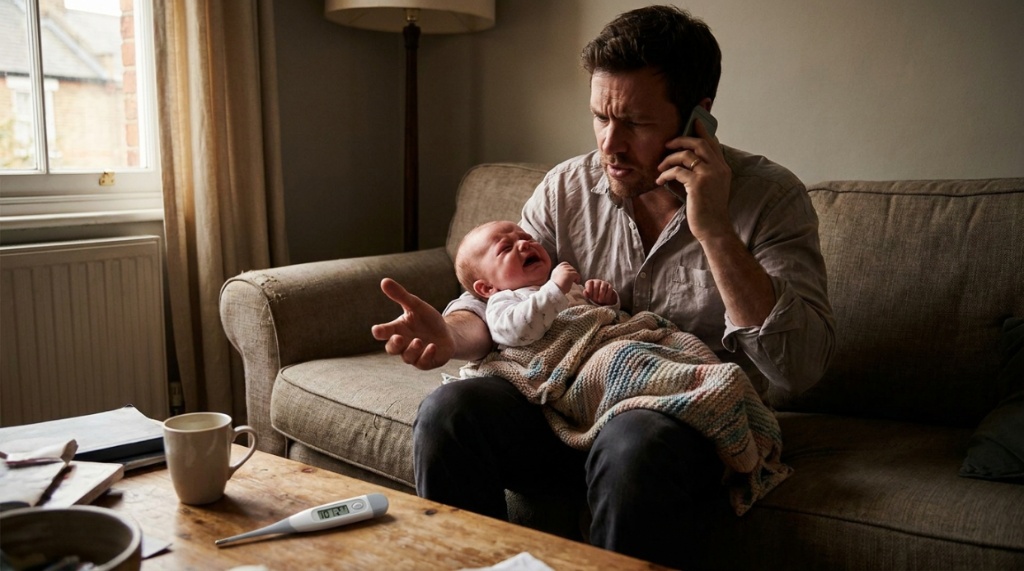
Direct answer: Contact a doctor immediately if a baby younger than 3 months has a fever of 100.4°F (38°C) or higher.
Age-based guidelines are important because serious infections may develop quickly in newborns.
Call your pediatrician if:
- Your baby is under 3 months with any fever
- Fever lasts longer than 24 hours in infants under 2 years
- Fever persists for more than 3 days
- Your baby refuses fluids
- Symptoms worsen rather than improve
- Repeated fevers occur without explanation
Many pediatric clinics provide after-hours guidance, allowing parents to discuss symptoms before deciding whether emergency care is necessary.
What temperature is too high for a baby?
Direct answer: Temperatures above 104°F (40°C) should receive prompt medical evaluation.
Although the fever itself may not cause harm, extremely high temperatures can indicate significant infection and warrant professional assessment.
What Warning Signs Require Immediate Medical Attention?
Direct answer: Seek emergency medical care if fever occurs alongside breathing difficulties, seizures, severe lethargy, dehydration, or unresponsiveness.
Certain symptoms indicate a potentially serious medical condition that should not wait for routine evaluation.
Emergency warning signs include:
- Difficulty breathing
- Blue lips or skin
- Seizures
- Extreme drowsiness
- Unresponsiveness
- Persistent vomiting
- Signs of severe dehydration
- Bulging or sunken soft spot (fontanelle)
- Stiff neck
- Unusual rash that does not fade when pressed
If any of these symptoms occur, seek emergency medical attention immediately rather than waiting for the fever to improve.
Can fever cause febrile seizures?
Direct answer: Yes. Some children between 6 months and 5 years may experience febrile seizures associated with fever.
Although frightening, most febrile seizures are brief and do not cause permanent damage. However, any first seizure should receive immediate medical evaluation.
What Causes Fever in Babies?
Direct answer: Most baby fevers are caused by viral infections, though bacterial infections, vaccinations, and inflammatory conditions can also raise body temperature.
Common causes include:
- Common cold viruses
- Influenza
- COVID-19
- Respiratory syncytial virus (RSV)
- Ear infections
- Urinary tract infections
- Gastrointestinal infections
- Vaccination responses
- Bacterial infections
Vaccinations occasionally cause mild temporary fevers. This reaction typically indicates that the immune system is responding appropriately to the vaccine.
Most viral fevers improve within a few days with supportive care and hydration.
How Can Parents Help a Baby With a Fever at Home?
Direct answer: Keep your baby hydrated, dressed comfortably, and monitored closely while following your pediatrician’s recommendations.
Supportive care can improve comfort and reduce stress for both babies and parents.
Helpful home care measures include:
- Offer breast milk or formula frequently
- Encourage fluids for older babies
- Dress the baby in lightweight clothing
- Maintain a comfortable room temperature
- Allow adequate rest
- Monitor temperature periodically
- Follow medical guidance regarding fever-reducing medications
Avoid cold baths, ice packs, or excessive bundling. These approaches may increase discomfort and can interfere with the body’s temperature regulation.
Should you wake a sleeping baby with a fever?
Direct answer: Not necessarily. If your baby is sleeping comfortably, hydration and overall condition may matter more than frequent temperature checks.
However, follow your healthcare provider’s instructions if your baby is ill, very young, or taking medication on a schedule.
How Long Does a Baby Fever Usually Last?
Direct answer: Most viral fevers improve within 2–3 days, though some infections may cause fever for up to 5 days.
The duration depends on the underlying cause. Viral respiratory infections often improve gradually as the immune system clears the infection.
Parents should monitor:
- Hydration status
- Breathing patterns
- Energy levels
- Feeding habits
- Temperature trends
If symptoms worsen or the fever continues beyond expected timelines, medical evaluation is recommended.
Conclusion: What Should Parents Remember About Baby Temperature and Fever?
A normal infant temperature generally ranges from 97.5°F to 100.4°F depending on the measurement method. A temperature of 100.4°F (38°C) or higher is considered a fever, and recognizing key baby fever symptoms such as irritability, lethargy, poor feeding, and unusual behavior helps parents respond appropriately.
Most fevers result from common infections and improve with supportive care. However, newborns, persistent fevers, high temperatures, breathing difficulties, dehydration, seizures, and unusual rashes require prompt medical attention. Understanding normal temperature ranges and proper measurement techniques gives parents confidence during stressful situations. For additional guidance on choosing accurate temperature-monitoring tools, review this detailed baby thermometer resource for parents.
When in doubt, trust your instincts. If your baby appears significantly unwell or something feels concerning, contacting a healthcare professional is always the safest choice.
Frequently Asked Questions About Baby Temperature and Fever
What is considered a normal infant temperature?
Answer: A normal infant temperature usually falls between 97.5°F and 100.4°F (36.4°C to 38°C), depending on the thermometer type and measurement location.
Is 99°F a fever for a baby?
Answer: No. A temperature of 99°F is generally within the normal range for many babies, especially when measured using the forehead or ear method.
What temperature should send a baby to the emergency room?
Answer: Any fever in a baby younger than 3 months requires immediate medical evaluation. For older babies, fever combined with breathing problems, seizures, dehydration, or unresponsiveness warrants emergency care.
Can a baby have a fever without other symptoms?
Answer: Yes. Some infections begin with fever before other symptoms become noticeable. Continued observation and monitoring are important.
How often should I check my baby’s temperature during a fever?
Answer: Every few hours is usually sufficient unless instructed otherwise by a healthcare provider. Focus on your baby’s overall condition, hydration, and behavior.
Can vaccines cause fever in babies?
Answer: Yes. Mild fever after vaccination is relatively common and often indicates a normal immune response. Persistent or unusually high fever should be discussed with a healthcare professional.
Is a forehead thermometer accurate for babies?
Answer: Quality forehead thermometers can provide reliable readings, but rectal measurements remain the most accurate option for young infants, particularly those under three months old.








+ There are no comments
Add yours